
 WILSON’S WARBLER
 WHITE-CROWNED SPARROW
 MALE WILLOW PTARGMIGAN
 FEMALE WILLOW PTARGMIGAN
 WHITE-WINGED SCOTER
 BONAPARTE’S GULL
 RED-NECKED PHALAROPE
 BLACK-BELLIED PLOVER
 GREY-CHEEKED THRUSH
 ARCTIC WARBLER
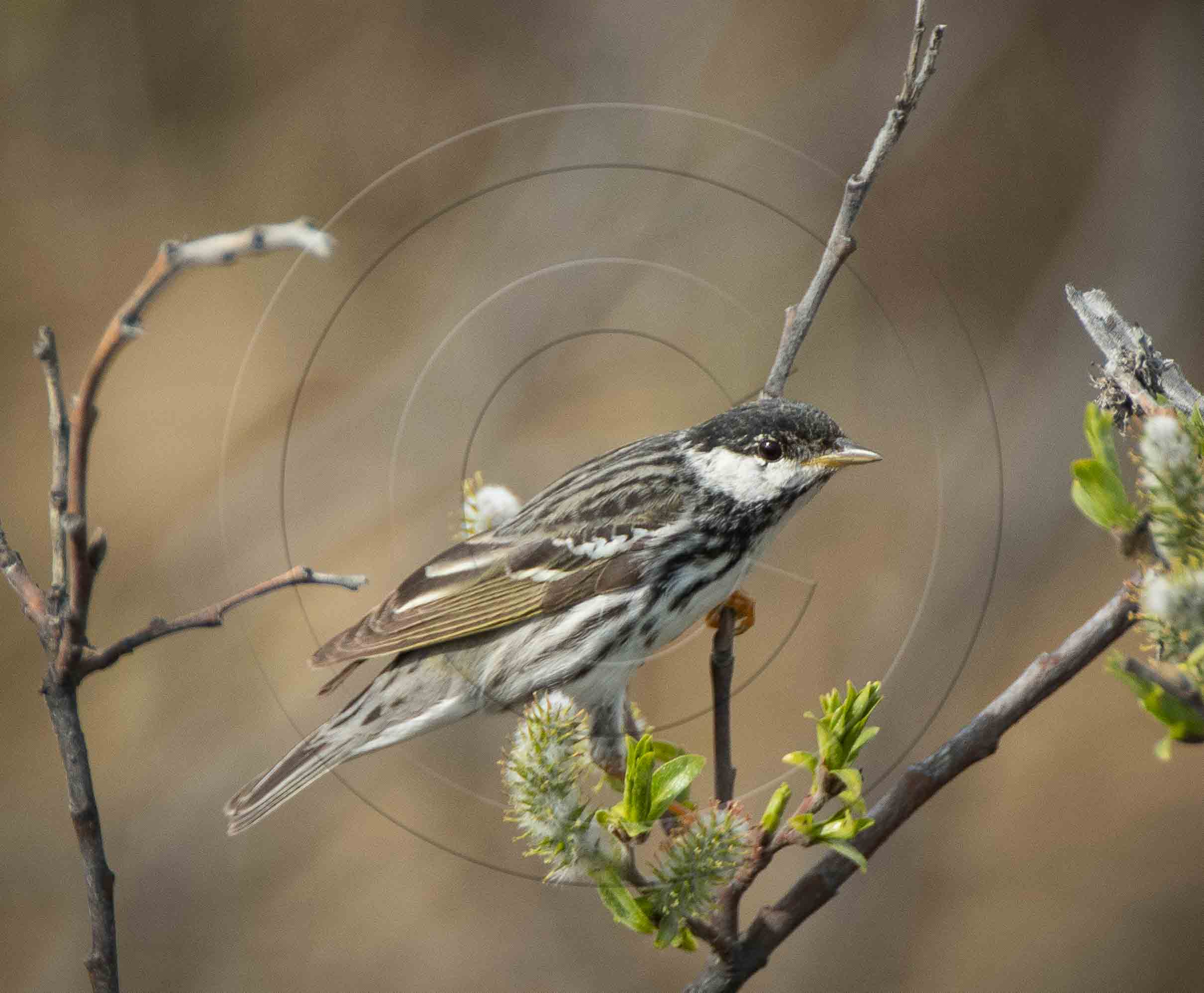 BLACKPOLL WARBLER
 REDPOLL
WILSON’S WARBLER
WHITE-CROWNED SPARROW
MALE WILLOW PTARGMIGAN
FEMALE WILLOW PTARGMIGAN
WHITE-WINGED SCOTER
BONAPARTE’S GULL
RED-NECKED PHALAROPE
BLACK-BELLIED PLOVER
GREY-CHEEKED THRUSH
ARCTIC WARBLER
BLACKPOLL WARBLER
REDPOLL
Denali Highway is a lightly traveled, mostly gravel highway. It leads from Paxson on the Richardson Highway to Cantwell on the Parks Highway. Opened in 1957, it was the first road access to Denali National Park. Traveling the Denali Highway today is truly a path through awesome wilderness that links travelers to both Alaska’s prehistoric past and gold rush history.
 START OF THE DENALI HIGHWAY IN PAXSON, ALASKA
 THE WIDE OPEN ROAD BECKONS
Not for the faint of heart. The Denali Highway demands a good set of tires, a full tank of gas and a good suspension system.
 PANORAMA VIEW OF THE EPONYMOUS DENALI …. “THE GREAT ONE”
 CAMPER VAN NAVIGATES AN S BEND
 TRANSPORT HAULING A BREAKDOWN
Waves of dust consume us with each passing truck on the gravel road.
 ON THE HUNT FOR THE SMITH’S LONGSPUR
Hiking at midnight up a remote alpine trail for the elusive Smith’s Longspur which has been known to nest along the Denali Highway.
 FRESH GRIZZLY TRACK
We’re two miles from the car and a good 15 miles from any other human being when we notice the disturbing sign of a fresh Grizzly track. Having neither a weapon or bear spray (and well beyond cell coverage to boot), we decide that discretion is the better part of valour and beat a hasty retreat off the mountain.
 TANGLE RIVER INN
Hungry, tired, and greatly disappointed with our Smith’s Longspur fail, we contemplate a night in the car. Pushing on down the road however we happen upon the first accommodation we have seen on the Denali. Despite being past midnight, they take us in and give us a delicious ham and cheese sandwich for a late night/early morning snack. It was delicious! Talk about luck!!
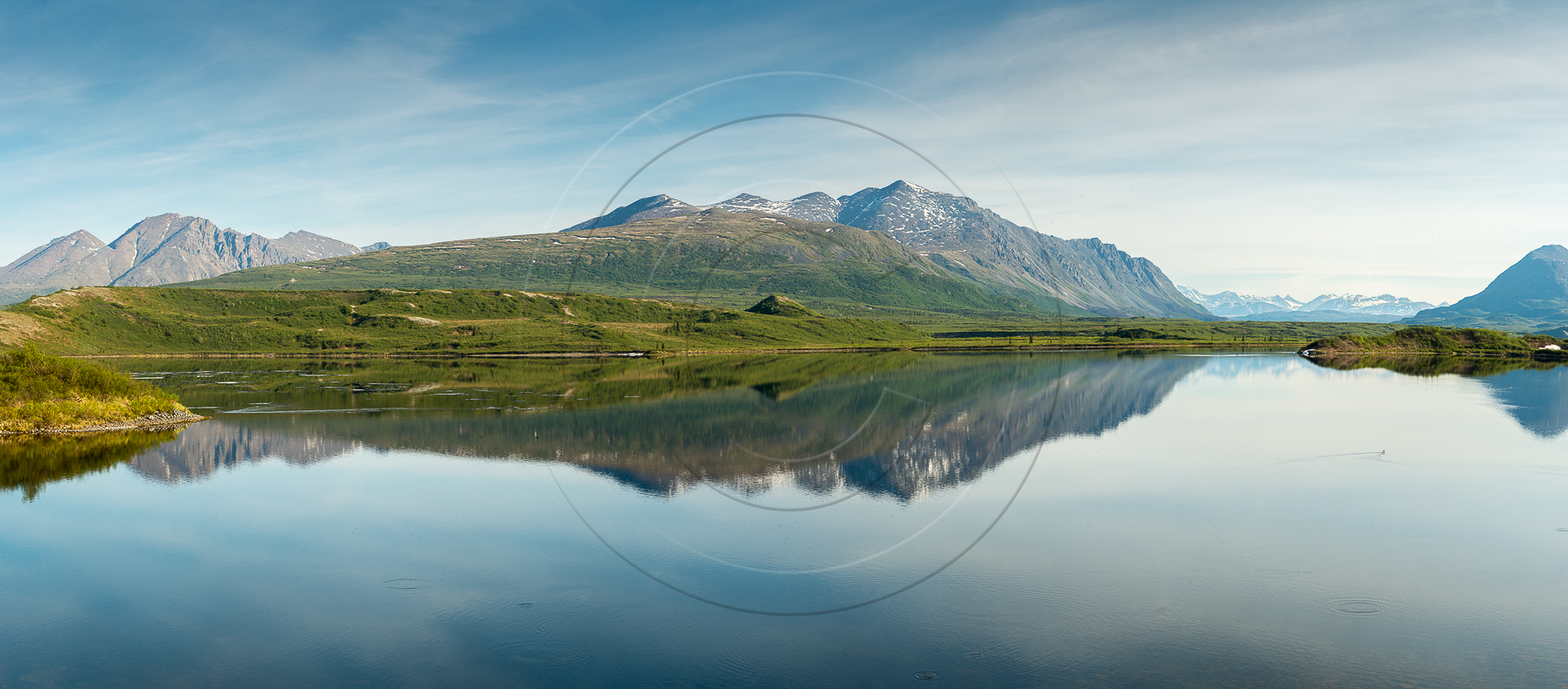 TANGLE LAKE PANORAMA
The Steller’s eider is the smallest eider and breeds along the Arctic coasts of eastern Siberia and Alaska. The lined nest is built on tundra close to the sea. The following images were captured on the open tundra around Barrow, Alaska.
 STELLER’S EIDER MALE
 STELLER’S EIDER IN TYPICAL HABITAT
 STELLER’S EIDER IN FLIGHT
 BROODING PAIR ON TUNDRA POND
 AMERICAN DIPPER, ANCHORAGE, ALASKA
The American Dipper is North America’s only truly aquatic songbird. It catches all of its food underwater in swiftly flowing streams by swimming and walking on the stream bottom.
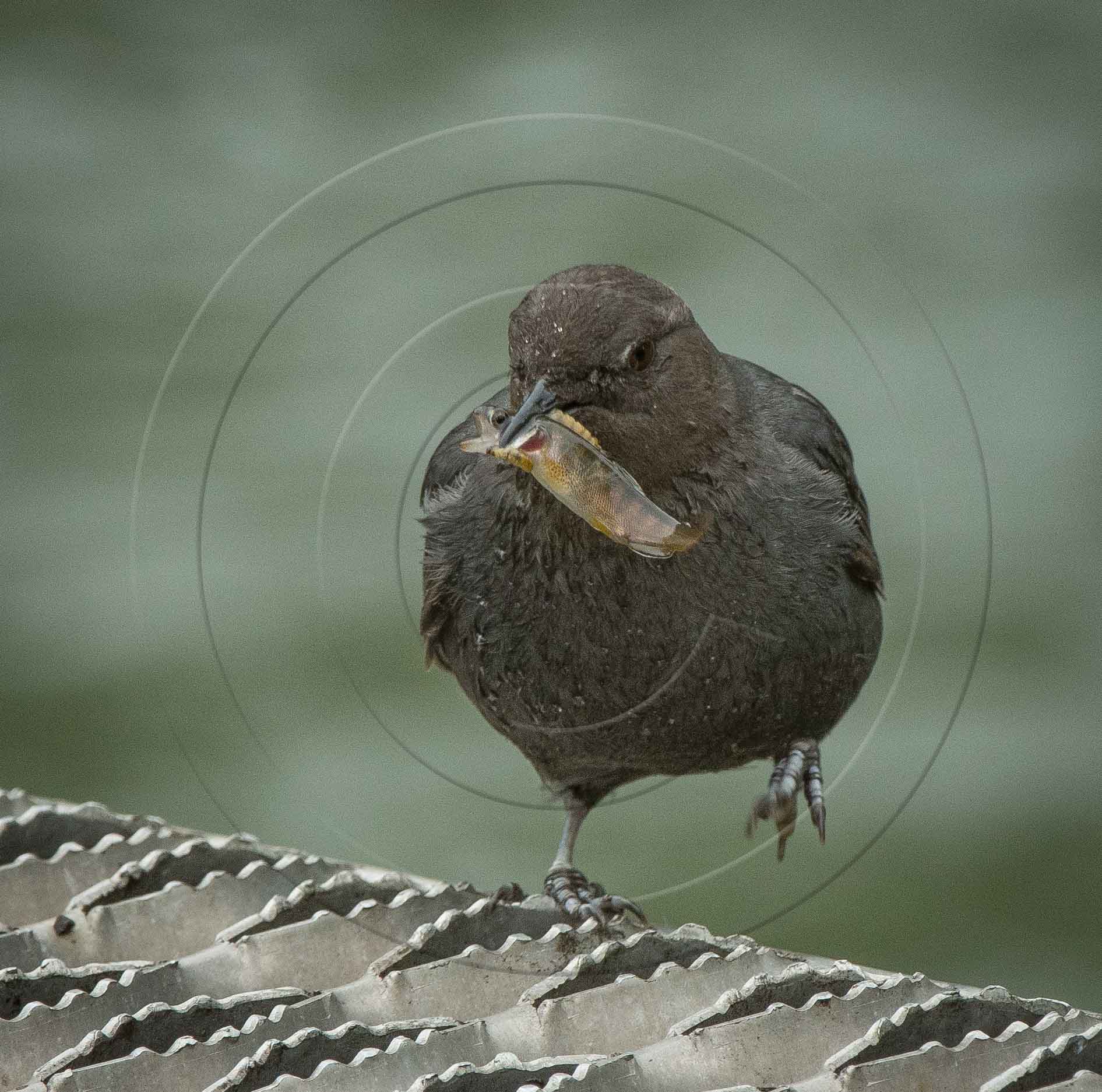 AMERICAN DIPPER WITH FISH FRY

American Dipper displaying famous feathered white eyelid during a blink.
 AMERICAN DIPPER FEEDING YOUNG
 SALMON STATUE, WILLIAM JACK HERNANDEZ SPORT FISH HATCHERY
The William Jack Hernandez Sport Fish Hatchery is located in Anchorage next door to the USAF Elmendorf airbase. This spectacular and ultra modern facility is open to the public for free self-guided tours and well worth the visit. Fry is released into the nearby Ship Creek where all of the above photographs were taken. I hate to think of the cost to the taxpayer of Dipper’s fry feast!!

The Spectacled Eider is a large sea duck that tends to occur mainly in areas where travel is difficult for humans — boggy tundra in summer, at sea around pack ice at other times; its winter range far out in the Bering Sea was unconfirmed until recently. Its remote habitat and bizarre, ghostly appearance contribute to its aura of mystery. Spectacled eiders nest within a narrow coastal strip of Alaska and in northeastern Siberia. Female spectacled eiders prefer to nest in sedge meadows and on peninsulas and islands adjacent to tundra ponds such as found around Barrow, Alaska where the following images were obtained.


A small, slender white bird, the Arctic Tern is well known for its long yearly migration. Its travel from its Arctic breeding grounds to its wintering grounds off of Antarctica may cover perhaps 40,000 km (25,000 mi), and is the farthest yearly journey of any bird.
 ARCTIC TERN
 HOVER POSE
 BALANCING ACT
 ARCTIC TERN ON NEST
 ARCTIC TERN SWALLOWING FISH
One of the primary purposes of my recent trip to Alaska was to photograph the King Eider in spectacular breeding plumage.
 MALE KING EIDER
 KING EIDER AT REST
 KING EIDER PAIR ON NESTING GROUNDS, BARROW, ALASKA
 FEMALE KING EIDER
 KING EIDER TAKES FLIGHT, BARROW, ALASKA
 DENALI PARK
I’ve just returned from a remarkable two week trip to Alaska. Stay tuned for more images.


